
RESEARCH & EVIDENCE
Rooted in Research
OUR MODEL
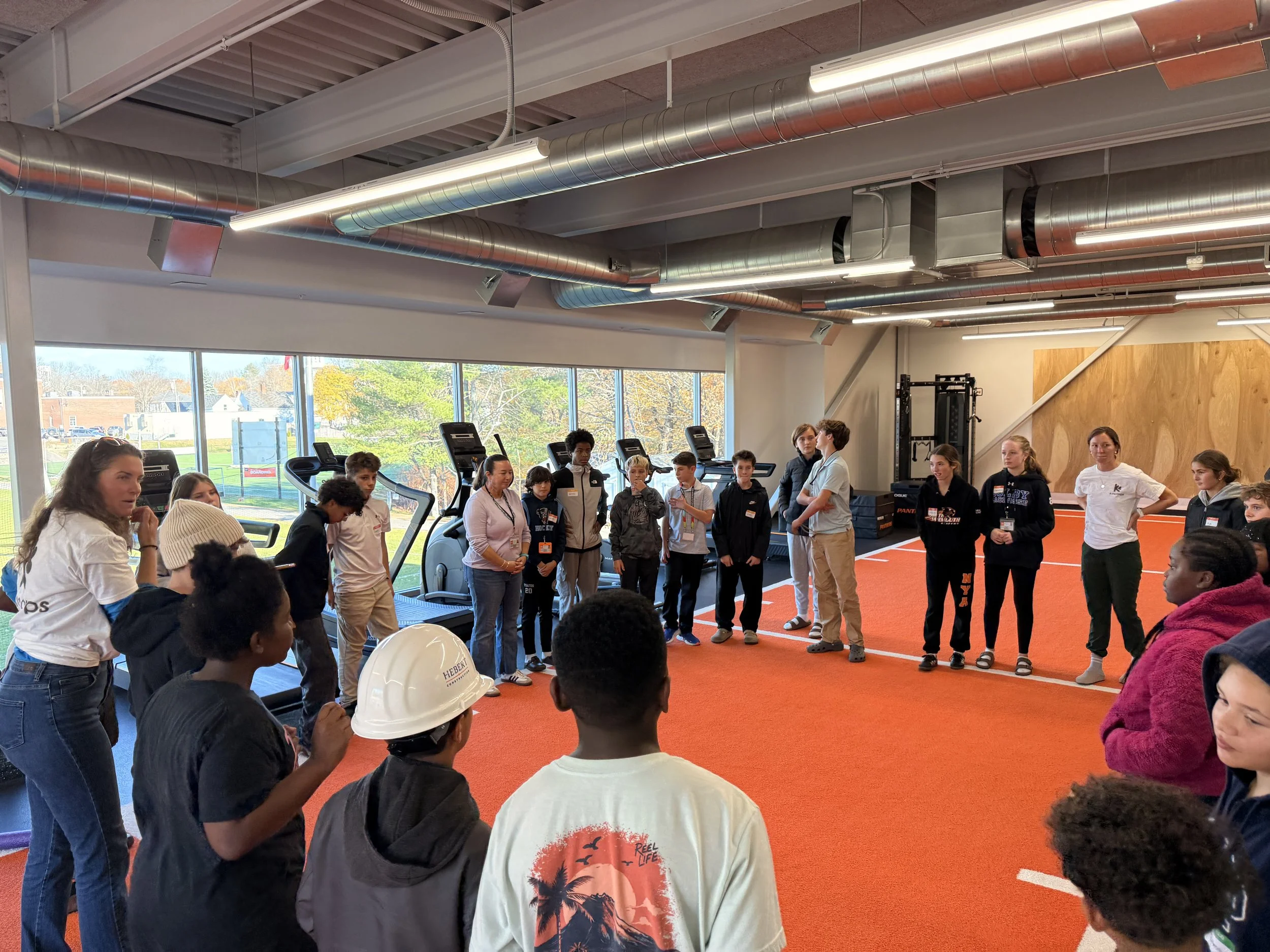
The research that our work is based on shows that even a single positive interaction with a historically marginalized group member can meaningfully reduce prejudice, lower anxiety, and shift social attitudes - that's what this work can result in - for all participants and even adults.
Our model is based on intergroup contact theory. The core principle of this work is positioning community members as teachers rather than charity recipients to create equal-status contact conditions. This framework presents three distinct experience models, each designed for different contexts and relationship dynamics. All models share common pre- and post-reflection architecture while differing in exchange type, parent role, and status dynamics.
-
KinCorps families (parent + child together) learn from community elders—seniors, veterans, cultural knowledge-keepers, skilled tradespeople. This is the lowest-complexity model with the clearest status dynamic.
Supporting research: Erikson's psychosocial development theory identifies generativity—passing wisdom to younger generations—as a core developmental need for older adults. Bales, Eklund, & Siffin (2000) found children's perceptions of elders became significantly more positive after participation in intergenerational programs. Generations United (2021) documented benefits for older adults including reduced isolation, increased sense of purpose, and improved mood.
-
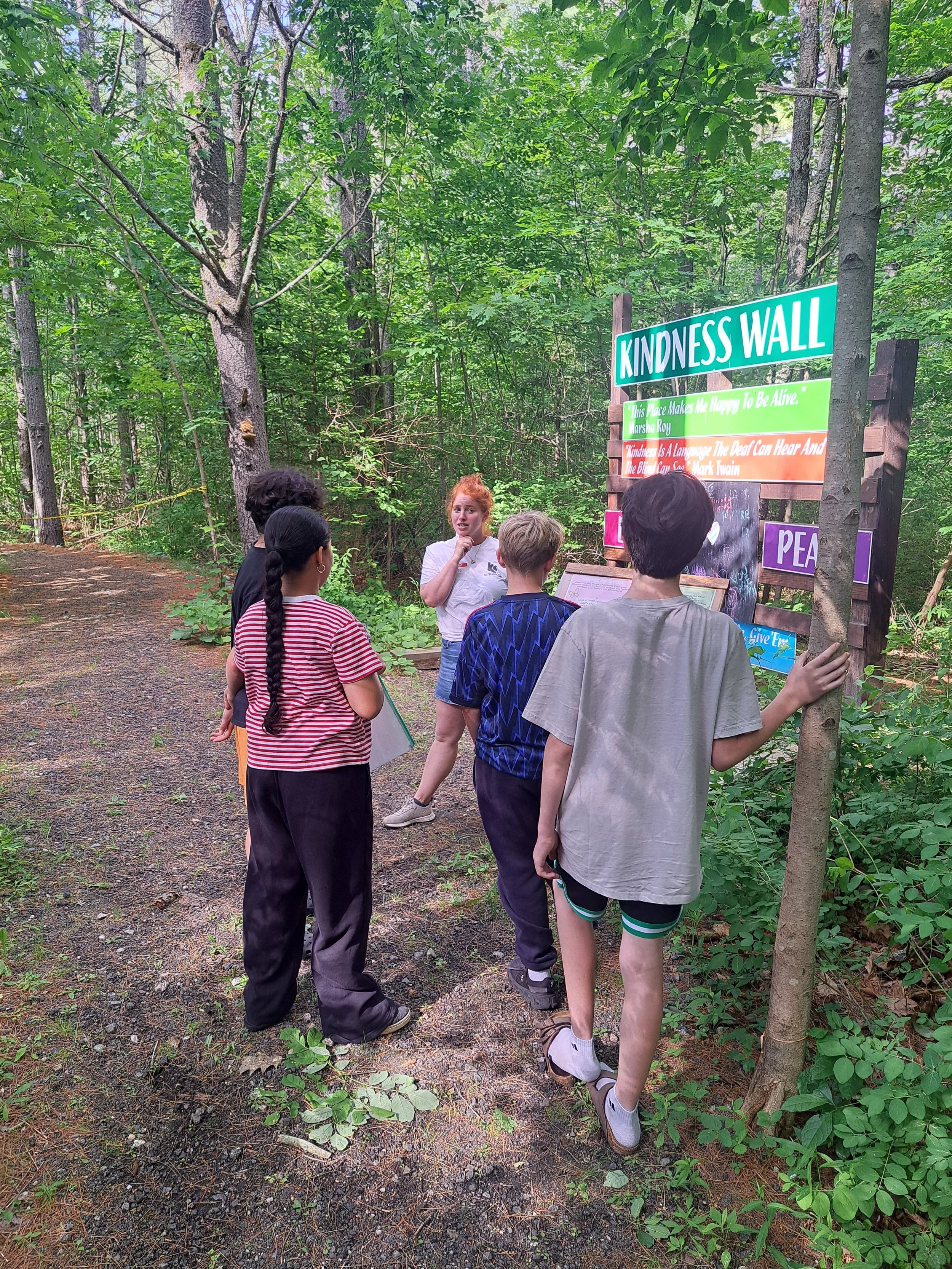
KinCorps children engage in peer/near-peer exchange with youth from partner organizations through adult-facilitated activities. Parents are present as volunteers and supporters but do not participate in the activities themselves. Parent learning happens through observation and pre/post reflection.
Supporting research: Vygotsky's (1978) zone of proximal development establishes that children learn from those slightly ahead developmentally. Schunk (1987) found peer models more effective than adult models for children's self-efficacy. Thomas (1996) Reflective Dialogue Parent Education Design shows parents benefit from scaffolded reflection on observed interactions. Topping (2005) demonstrated peer interaction works best when both parties engage actively together.
-
KinCorps families engage with families from partner organizations in reciprocal exchange. Both families participate fully—parents and children together. This is the highest-complexity model with the most ambiguous status dynamics.
Supporting Research: Allport (1954) established four contact conditions (equal status, common goals, cooperation, institutional support). Johnson & Johnson (1989) found positive interdependence—where groups can only succeed together—creates the strongest intergroup bonds. Maiter et al. (2008) demonstrated that community partners feel like "data sources" even when researchers intend partnership, highlighting the importance of designing for lived experience of mutual benefit rather than structural equality alone.
THEORETICAL FRAMEWORK
Traditional charity models violate the equal status condition by creating helper/recipient hierarchies. KinCorps positions community members as teachers with valued expertise. Pettigrew & Tropp (2005) found that for minority group members, equal status is especially critical—contact that reinforces status hierarchies can harm rather than help. The structure of our work is rooted in the four conditions established by Gordon Allport’s research (1954), stated as necessary for intergroup contact to reduce prejudice:
1.
2.
3.
4.
Equal Status
Groups have equal standing within the contact situation
Common Goals
Both groups work toward a shared objective
Support of Authorities
Contact is sanctioned by institutional or social norms
Intergroup Cooperation
Achievement requires interdependent effort
Additional key research that informs our work include…
Childhood as Optimal Intervention Window Skinner & Meltzoff's (2019), Tropp & Prenovost's (2008)
Effectiveness of Brief Interventions Miles & Crisp's (2014), West & Bruckmüller (2019), Schleider & Weisz's (2017), Vezzali et al. (2015)
Parent-Child Learning The National Academies (2016), Kelly et al. (2021), Fivush (2006), Reese et al. (2010), Crowley & Callanan (1998)
Intergenerational Programs Gualano et al.'s (2018), Jarrott & Smith (2011)
Peer Learning Vygotsky's (1978), Schunk (1987), Topping (2005)

Informing Research
Our work is informed by research and we, in turn are informing research through pre and post test surveys. Inherent to our organizational values, we don’t just do, we also learn to ensure our work is meaningful, impactful, and replicable.
Discovery
We initiate each engagement with a focused discovery phase.
Analysis
Collected data is subjected to rigorous quantitative and qualitative analysis.
Strategy Design
Insights inform a tailored strategy that addresses defined goals.
Implementation
Approved strategies transition to implementation under disciplined governance.
Latest Projects
Smart Warehouse Retrofit
We redesigned an aging logistics hub, integrating autonomous robotics and IoT analytics to elevate throughput and reliability.

Initiate a Productive DialogueComplete the form with contextual information regarding your challenges, timelines, and desired outcomes, and our team will respond promptly with an evidence-based recommendation framework.